As India continues its slide into majoritarianism, books by Indian authors reveal different facets – the good, bad and ugly – of a nation that’s flawed but still encompasses multitude of voices and ways of living.
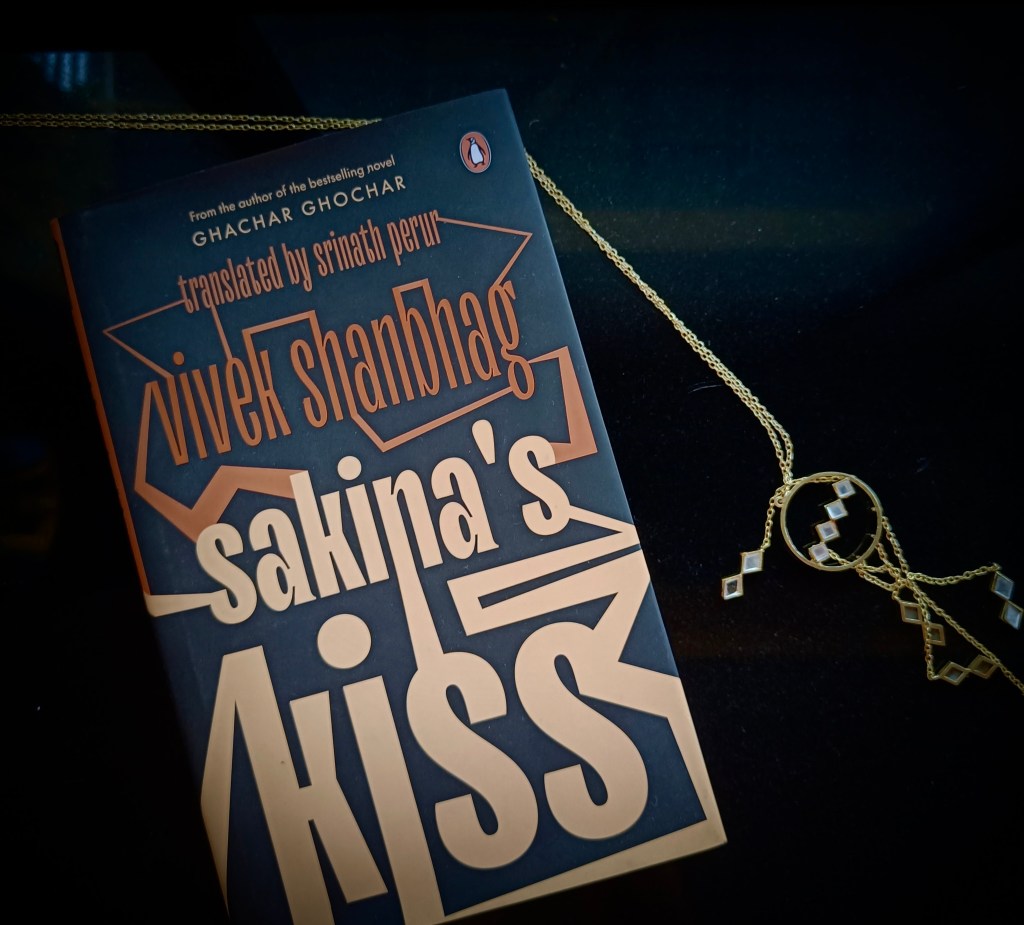
Sakina’s Kiss by Vivek Shanbagh

In Sakina’s Kiss, Vivek Shanbagh gives us an insight into the male psyche through Venkataramana or Venkat. Hiding under the cloak of care, Venkat tries to police his “rebellious daughter” Rekha; her friends, politics, career choices. We hear him lament how under the sway of “others”, she has yanked the reigns out of his hands. Over four days, as Rekha goes missing and unsavoury characters prop up in Venkat’s placid life, we see the mask come off. We see a man, whose fragile masculinity is not comfortable with women’s agency or choices. A man, who harbours the urge to dominate his wife and daughter, revels in what he calls the “mangalsutra’s privilege”, and seethes with bitterness when he sees the women slip away from his grasp. Translated into English from Kannada by Srinath Perur, Venkat is relatable to the men in our lives in at least a few ways, especially the details that nag at you later. Do read this one.
Diwali in Muzaffarnagar by Tanuj Solanki
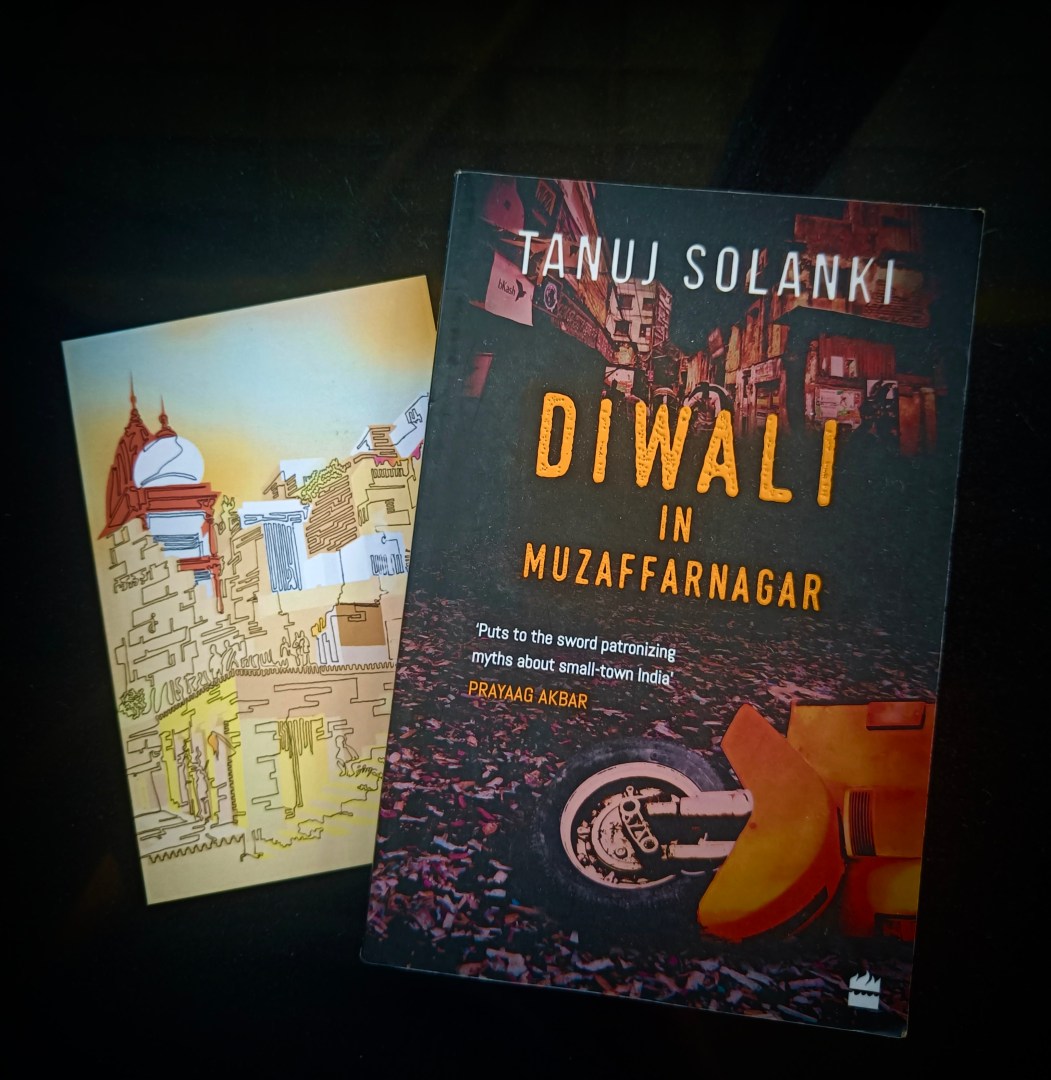
Solanki captures the pulse of small-town India in these collection of short stories. Religion rears its ugly head in a tale of friendship gone wrong, abuse by a family member is covered up under the guise of respectability; a father goes into debt to throw a lavish wedding for his daughter. A daughter, who returns home after her father’s death, finds herself grappling grief, the past, bureaucracy as well as the future. For the young, who are the protagonists in Solanki’s stories, the familial pull is strong – be it during festivals, deaths, or holidays. As they balance their hard-worn freedom with duties and obligations, you get the feeling that they can check out anytime they like but can never leave. A good read that tackles difficult subjects and deep prejudices inherent in the Indian family.
Hurda by Atharva Pandit
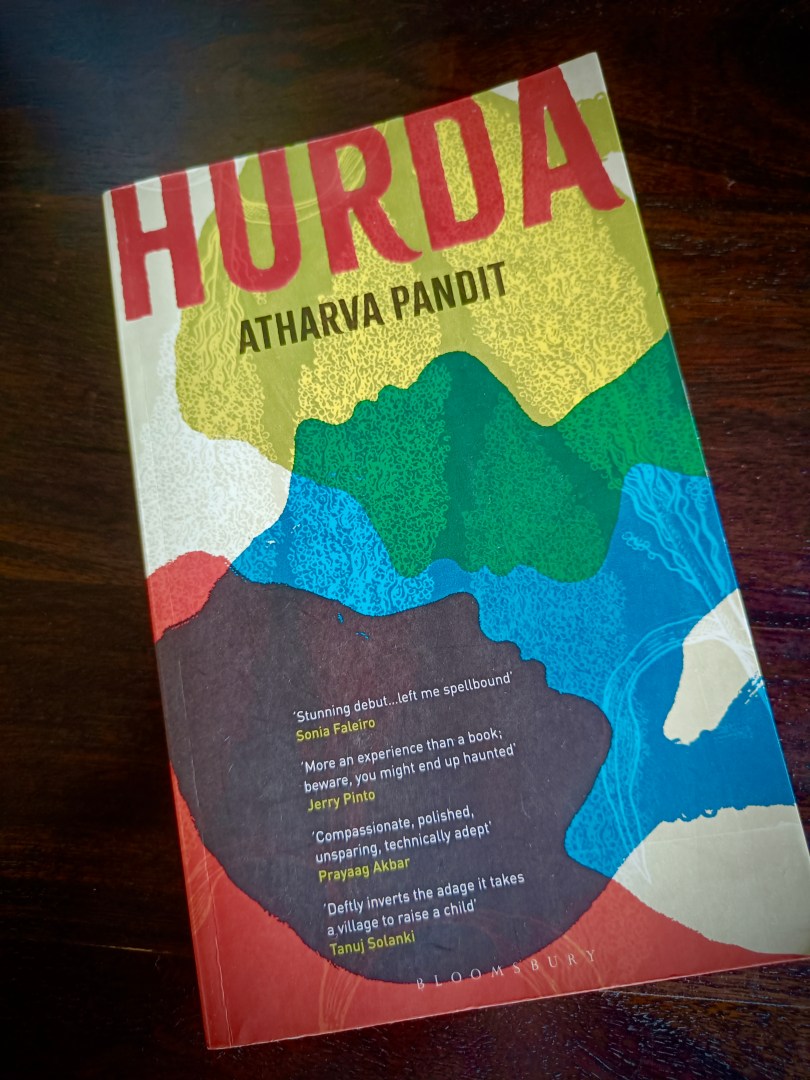
On Valentine’s Day, three sisters — Anisha, Sanchita and Priyanka — disappear from Murwani, a small village in Maharashtra. Six years later, a journalist returns to piece together what happened. The narrative stitches together accounts of the sisters’ movements on the fateful day, back then and now. The picture that emerges is of the village’s deep misogyny and the ineptitude of the police.
Based on a real incident, the story shows how little women’s lives matter. How biases, procedural missteps and politics shape the incident. How the blame is attached on the working, widowed mother. How the oldest, Anisha, all of 14 years of age, is branded ‘forward’. How a Muslim vendor becomes a convenient suspect. The author tugs at male gaze, from different avenues, to reveal a possibility. However, in the end, only the grandfather remains, alone with his grief and memories, with no real answers.
Murder in Mahim by Jerry Pinto
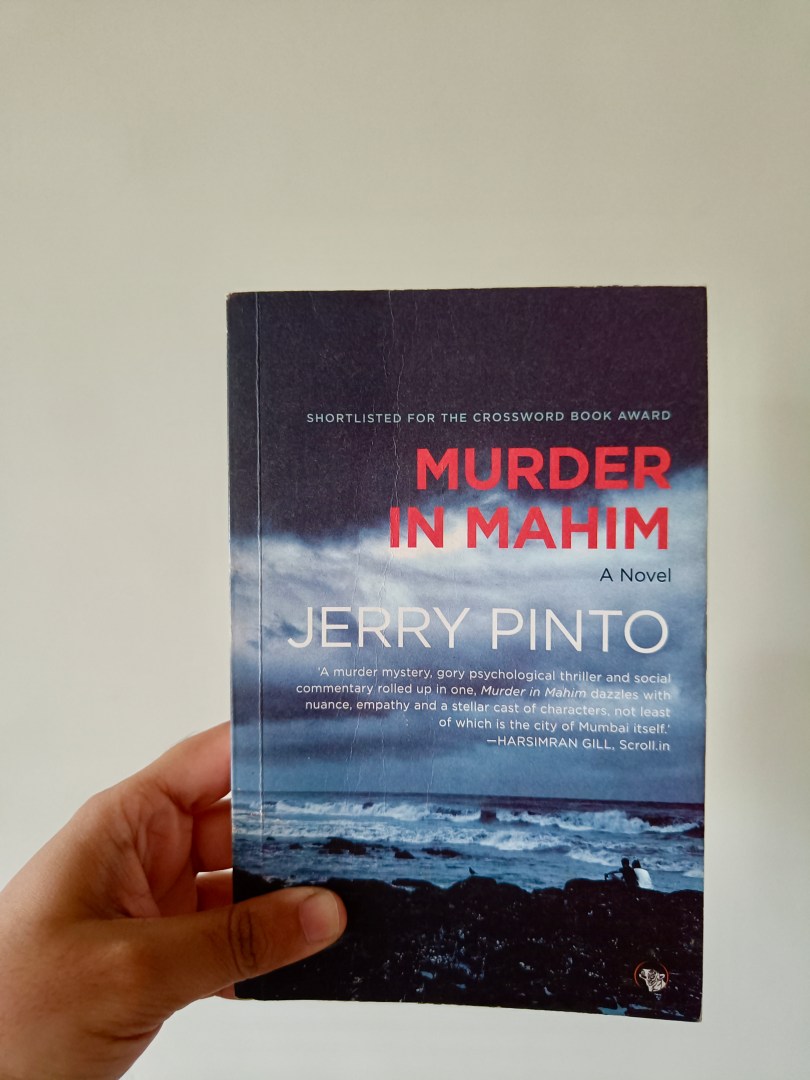
Investigating the murder of a young man, found dead at Matunga railway station, retired journalist Peter Fernandes stumbles upon the seedy underbelly of Mumbai. How railway stations – the very lifelines of Mumbai – take on a different role at night, how the police keep their pockets lined, how love is criminalised and sex workers trampled upon. How rigid laws concerning homosexuality spawn a secret language. How the absence of legitimacy fosters abuse. Through Fernandes – who grapples with the sexuality of his own son – we gain an insight into the gay community. Murder in Mahim is more than a murder mystery; Pinto’s compassionate writing about gender identity fosters understanding even as it exposes the ugly facets of the city that never sleeps.
Boats on Land by Janice Pariat

The collection of short stories offers a glimpse of the North-east; its folk tales and beliefs, superstitions, and ways. You have dark magic, water faries, sacred forest groves with spirits that lead travellers astray, shape shifters, folks possessed by ghosts. At the heart of these unexplained phenomena though are stories of heartbreak, grief, love, loss and belonging. Against the backdrop of curfews and politics, there are unlikely friendships. There’s the brashness of youth and the search for identity. Boats on Land is an interesting read that captures the changing nature of Shillong, it’s youth, their aspirations and roots.
 A Thousand Mornings